
All Articles

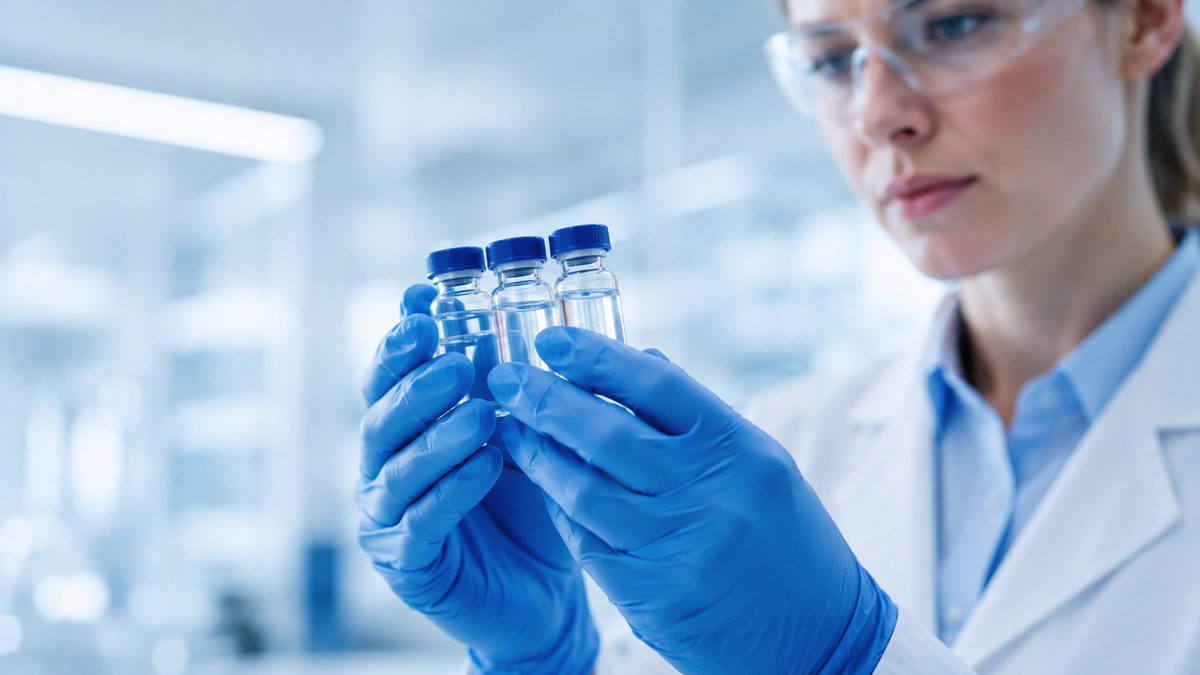
New to peptides? Learn what they are, how they work in the body, and why researchers study them — a clear, honest beginner's guide.
Read More →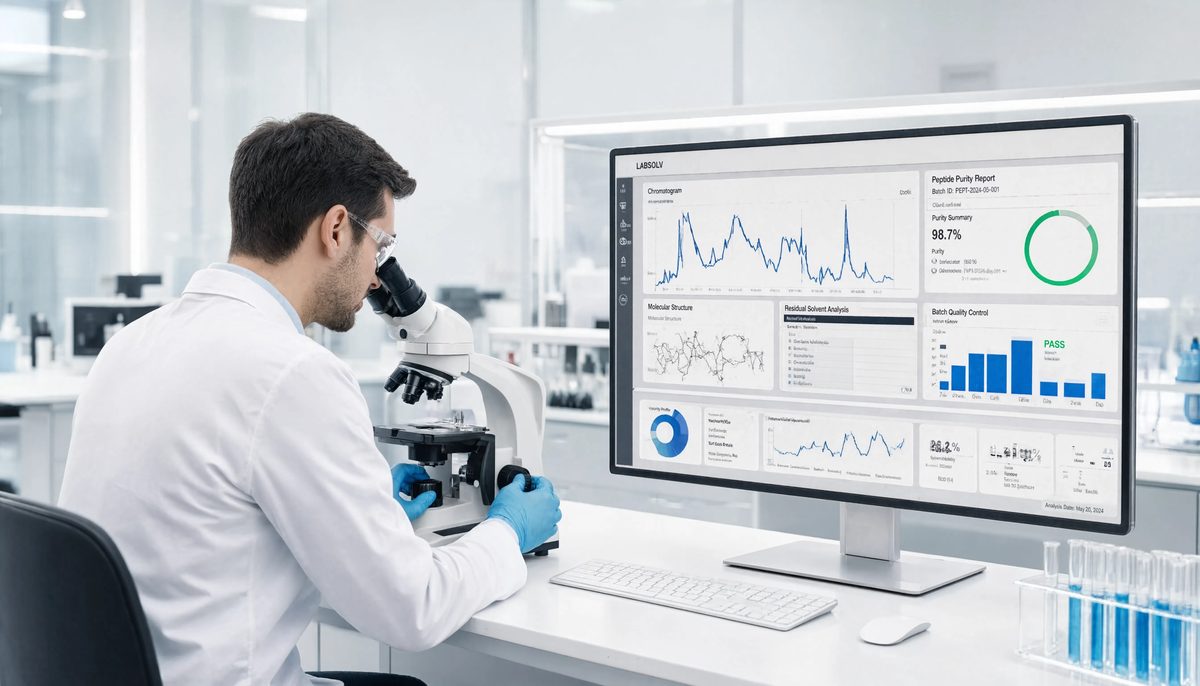
A research-focused comparison of semaglutide and tirzepatide — how they work, how they differ, and what researchers should know.
Read More →
Mechanisms, preclinical findings, and handling notes for the CJC-1295 and ipamorelin combination — a research-focused guide.
Read More →
Explore the science behind GLP-1 peptides and weight loss research — semaglutide, tirzepatide, and how they work at the receptor level.
Read More →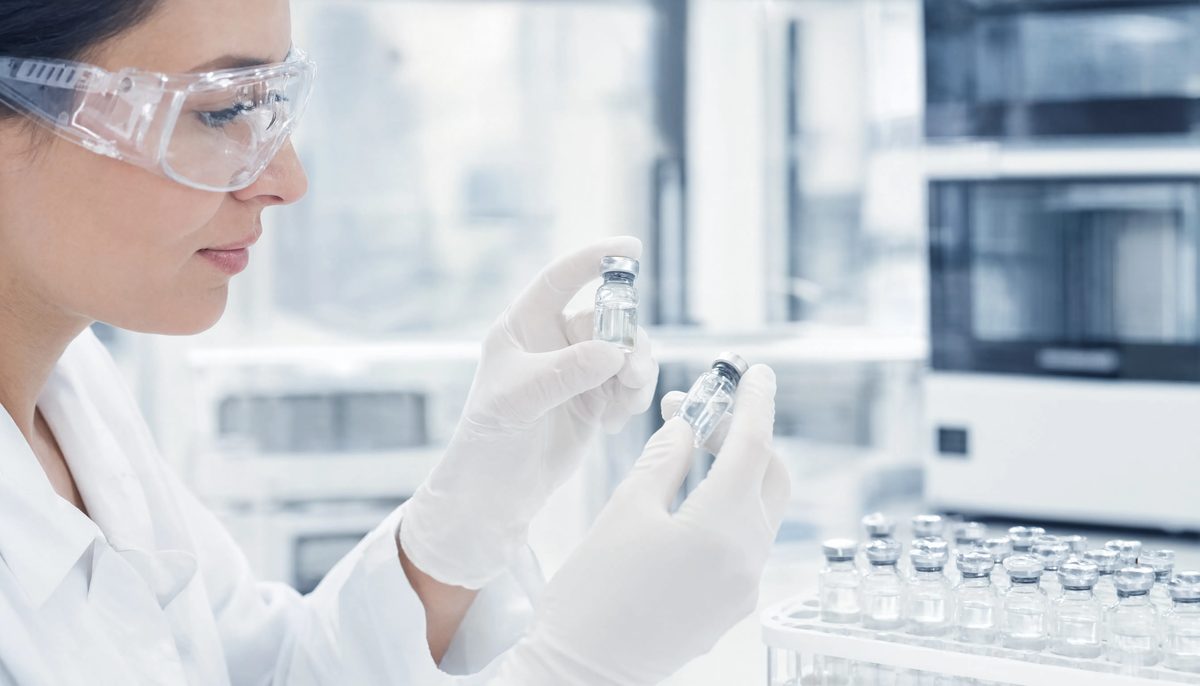
Learn how to reconstitute lyophilised peptides correctly using bacteriostatic water — a clear step-by-step guide for researchers.
Read More →
A clear comparison of BPC-157 and TB-500 — mechanisms, research findings, and how these two recovery peptides differ.
Read More →
Compare Semax and Selank — two of the most studied nootropic peptides in cognitive and anxiolytic research.
Read More →
Everything you need to know about storing research peptides correctly — lyophilised powder, reconstituted solutions, temperature, and light exposure.
Read More →